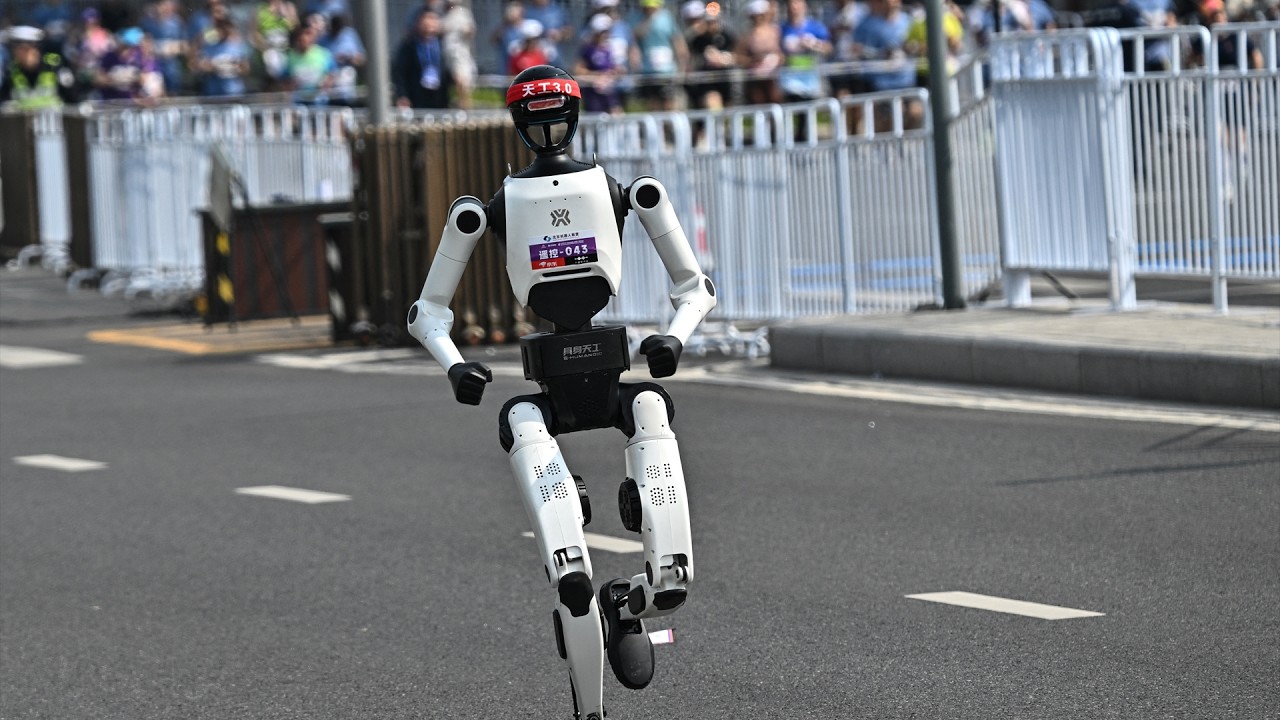
Robots achieved a significant milestone in Beijing by surpassing human runners in a half marathon event, according to multiple reports from regional and international media outlets. The competition highlighted rapid advancements in robotic mobility and endurance, with several machines completing the course ahead of their human counterparts.
One robot, in particular, made headlines by breaking the existing record for the half marathon distance, marking a historic moment in the integration of automation into long-distance running. The performance underscored the growing capabilities of Chinese-developed robotics in dynamic, real-world environments.
Yet, not all robotic participants completed the race successfully. Reports indicated that at least one running robot experienced mechanical failure during the event, breaking down mid-course and raising questions about the current reliability and readiness of such technology for sustained athletic performance.
The incident sparked debate among experts and observers regarding the feasibility of fully autonomous «mechanical marathons,» with some expressing skepticism about whether robots can yet match the consistency and resilience of human athletes over extended distances.
Despite the setback, the overall outcome was viewed as a technological breakthrough, signaling a potential shift in how future endurance events might incorporate or be influenced by advanced robotics. The Beijing race served as both a demonstration of progress and a platform for evaluating the limits of machine endurance in comparison to human performance.
Más sobre esto