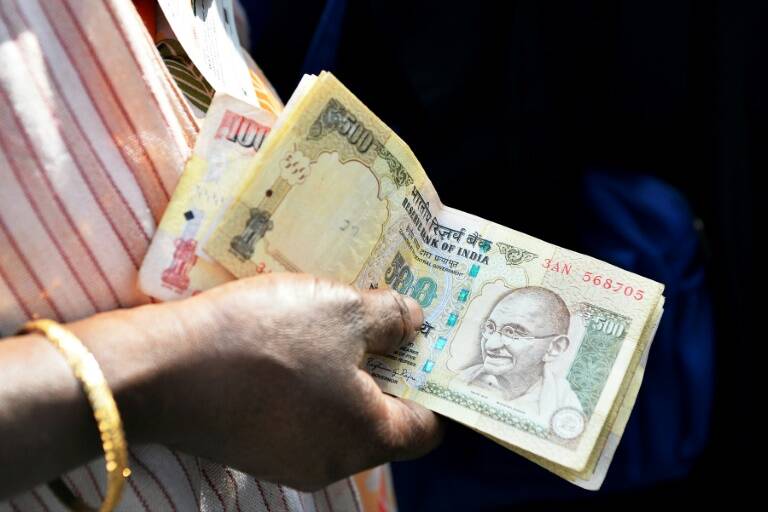
The Indian rupee rose on Friday following a Reuters report of a central bank step to curb state-run oil companies’ dollar demand, adding to measures that have narrowed the currency’s underperformance over the last fortnight. Since hitting a record low of 95.21 per dollar on March 30, the rupee has recovered as the central bank tapped crisis-era tools to shore up the currency which had been battered by foreign portfolio outflows and risks to India’s current account balance. On Friday, the rupee rose 0.3% to close at 92.9250, after touching a one-week high of 92.66 in early trading. Earlier in the day, the rupee made temporary gains following a Reuters report that banks had halted bullion imports due to a delay in a government order, as traders priced in lower dollar demand, but the effect faded once the government issued the list of authorised banks. «In the near-term, the rupee should trade between 92.50-94 as central bank measures have pulled the brake on one-way depreciation bias,» an FX salesperson at a foreign bank said. After struggling at the bottom of the Asia FX pile till late March, the currency has gained about 2% since the first set of measures were announced on March 27, becoming the second best performer among major Asian peers in that time frame. In 2026 so far, though, the rupee remains bottom of the regional pile as investors continue to weigh weak capital flows and risks to the economy from elevated energy prices. «Japan and South Korea are backed by deep strategic reserves and fiscal space to stabilise domestic fuel prices….
Sigue leyendo