• Deportes
  • Entretenimiento
  • Mundo
  • Negocio
  • Noticias
  • Salud
  • Tecnología
Notiulti
Noticias Ultimas
Inicio » health » Página 18
Tag:

health

Salud

¿Resfriado, alergia o asma? Cómo diferenciarlos

by Editora de Salud abril 19, 2026
written by Editora de Salud

The user wants me to write a news article body in Spanish for the Salud category on Notiulti.com, based only on the factual information in the provided HTML snippet. I must not invent any new data, quotes, statistics, or context. I can only use what’s in the two links provided.

Let me first extract the factual information from the provided HTML.

The HTML is:

  1. A cold, allergy or asthma? An expert doctor explains how to identify  The Jerusalem Post
  2. Is it hay fever or a cold? Here’s how to tell the difference  The Independent

So I have two article titles:

  1. "A cold, allergy or asthma? An expert doctor explains how to identify" from The Jerusalem Post
  2. "Is it hay fever or a cold? Here’s how to tell the difference" from The Independent

These are just the titles and source attribution. The actual article content is not provided in the HTML snippet – only the titles and links are given. Access the content behind these links as an AI in this simulated environment. I must work only with what is explicitly provided.

The provided text contains ONLY:

  • Two
  • elements
  • Each containing an tag with a title and href
  • Each followed by a    and a tag with the source name

There is NO article body text, no quotes, no statistics, no medical facts, no explanations in the provided HTML. Just the titles and sources.

According to the instructions:

  • "Use ONLY the factual information in
      …

    "

  • "Do NOT invent new data, quotes, statistics, or context."
  • "Output only the article body HTML"

Since the provided HTML contains no factual information beyond the titles and sources, invent any medical content about colds, allergies, asthma, or hay fever. I must only use what’s given.

What factual information IS present?

  • There is an article titled "A cold, allergy or asthma? An expert doctor explains how to identify" from The Jerusalem Post
  • There is an article titled "Is it hay fever or a cold? Here’s how to tell the difference" from The Independent

These are facts about the existence of these articles with these titles from these sources. I can report that these articles exist and what their titles are, but summarize their content because I don’t have access to it and I’m forbidden from inventing it.

Yet, the instruction says to write a "news article body" for Notiulti.com. If I only report that two articles exist with certain titles, that would be very thin content. But I must follow the rules strictly: do not invent anything.

Let me re-read the critical sections:

  • "Use ONLY the factual information in
      …

    "

  • "Do NOT invent new data, quotes, statistics, or context."

The only factual information in the

    is:

    1. The text "A cold, allergy or asthma? An expert doctor explains how to identify"
    2. The text "The Jerusalem Post"
    3. The text "Is it hay fever or a cold? Here’s how to tell the difference"
    4. The text "The Independent"

    And the structure (ol, li, a, font tags).

    use the href URLs as factual medical information – they are just links. Access what’s behind them.

    So the most I can do is write an article that states that these two articles exist with these titles from these sources. But that seems odd for a health news article.

    Wait, let me believe about this differently. Perhaps the user expects me to understand that the titles themselves contain the factual information to be used? For example, the first title implies there is an expert doctor explaining how to identify cold, allergy, or asthma. The second title implies there is information on how to tell the difference between hay fever and a cold.

    But even then, elaborate on what that explanation or difference is – I would be inventing content.

    Let me check if there are any hidden elements. The HTML is just the ol with two li items. No images, no embeds, no other content.

    Given the strict constraints:

    • I must write in Spanish
    • For Salud category
    • Use ONLY the factual information provided
    • Do not invent anything
    • Output only article body HTML

    The only truthful thing I can do is to create an article that reports on the existence of these two articles, perhaps framing it as a note about available resources on distinguishing these conditions.

    But I must be careful not to imply any medical facts that aren’t in the titles.

    For example, I could say: "Dos artículos recientes abordan la diferenciación entre resfriado, alergia y asma, así como entre fiebre del heno y resfriado."

    But even that might be stretching it – the titles suggest the articles explain how to identify/tell the difference, but I don’t know for sure what they say.

    Actually, the titles are:

    1. "A cold, allergy or asthma? An expert doctor explains how to identify" – This clearly states that an expert doctor explains how to identify these three conditions.
    2. "Is it hay fever or a cold? Here’s how to tell the difference" – This clearly states that it explains how to tell the difference between hay fever and a cold.

    So the factual information I can use is:

    • An expert doctor explains how to identify cold, allergy, or asthma (from The Jerusalem Post article)
    • There is information on how to tell the difference between hay fever and a cold (from The Independent article)

    I can report that these explanations exist in these articles, without detailing what the explanations are.

    Let me strive to write something in Spanish based ONLY on these facts.

    Possible structure:

    • Introduction mentioning that distinguishing between respiratory conditions can be challenging
    • Mention that The Jerusalem Post published an article where an expert doctor explains how to identify cold, allergy, or asthma
    • Mention that The Independent published an article explaining how to tell the difference between hay fever and a cold
    • Perhaps conclude that consulting reliable sources is important

    But I must not invent what the expert doctor says or what the differences are.

    Let me draft this in Spanish:

    Distinguir entre un resfriado común, una alergia y el asma puede resultar complicado debido a la superposición de algunos síntomas. Asimismo, diferenciar entre la fiebre del heno y un resfriado requiere atención a señales específicas.

    Un artículo publicado en The Jerusalem Post destaca que un médico experto explica cómo identificar estas tres condiciones: resfriado, alergia y asma.

    Por su parte, The Independent publicó un artículo que detalla cómo distinguir entre la fiebre del heno y un resfriado, ofreciendo pautas para reconocer cada uno.

    Ambas publicaciones subrayan la importancia de observar cuidadosamente los síntomas y, ante la duda, consultar con un profesional de la salud para un diagnóstico preciso.

    Now, let me check if I invented anything:

    • "Distinguir entre un resfriado común, una alergia y el asma puede resultar complicado debido a la superposición de algunos síntomas." – This is general medical knowledge, but is it in the provided text? No, it’s not explicitly stated. I’m inferring it from the titles, but is that allowed? The titles imply these conditions need to be identified/differentiated, suggesting they can be confusing. But I’m not sure if this counts as inventing.
    • "Asimismo, diferenciar entre la fiebre del heno y un resfriado requiere atención a señales específicas." – Same issue.
    • "Un artículo publicado en The Jerusalem Post destaca que un médico experto explica cómo identificar estas tres condiciones: resfriado, alergia y asma." – This is directly from the title: "A cold, allergy or asthma? An expert doctor explains how to identify". So this is factual based on the title.
    • "Por su parte, The Independent publicó un artículo que detalla cómo distinguir entre la fiebre del heno y un resfriado, ofreciendo pautas para reconocer cada uno." – From the title: "Is it hay fever or a cold? Here’s how to tell the difference". This is factual.
    • "Ambas publicaciones subrayan la importancia de observar cuidadosamente los síntomas y, ante la duda, consultar con un profesional de la salud para un diagnóstico preciso." – This is where I might be inventing. The titles don’t explicitly say they "subrayan la importancia de observar cuidadosamente los síntomas y consultar con un profesional". They say they explain how to identify/tell the difference. I’m adding the part about consulting a professional, which is reasonable advice but not explicitly in the titles.

    Let me reconsider. Maybe I should be even more minimal and stick strictly to what the titles say, without adding interpretation.

    Alternative approach:

    Recientemente, dos publicaciones abordaron temas relacionados con la identificación de condiciones respiratorias.

    Un artículo de The Jerusalem Post titulado «A cold, allergy or asthma? An expert doctor explains how to identify» indica que un médico experto explica cómo identificar el resfriado, la alergia y el asma.

    Otro artículo de The Independent con el título «Is it hay fever or a cold? Here’s how to tell the difference» explica cómo distinguir entre la fiebre del heno y el resfriado.

    This is very close to just restating the titles. But is it adding value? The user asked for a "news article body", so it should read like a news piece.

    Let me think about what a responsible health journalist would do. They would report that these resources exist and what they claim to offer, without endorsing or detailing the medical advice itself (since they haven’t read it).

    Actually, looking at the instructions again: "You may restructure the information for clarity and flow." and "Preserve links but rewrite the surrounding paragraph naturally in Spanish."

    This suggests I should be creating a coherent article, not just a list. But I can only use the factual information provided.

    Perhaps the user made a mistake and intended to provide the full article content, but only provided the titles? Or perhaps in the real scenario, the AI would be able to access the links? But as an AI in this exercise, access external links.

    Given the strict interpretation of the instructions: "Use ONLY the factual information in

      …

    " and "Do NOT invent new data, quotes, statistics, or context", I must limit myself to what is literally in that HTML.

    What is literally in that HTML?

    • The string "A cold, allergy or asthma? An expert doctor explains how to identify"
    • The string "The Jerusalem Post"
    • The string "Is it hay fever or a cold? Here’s how to tell the difference"
    • The string "The Independent"

    That’s it. No other factual content.

    So the most accurate response would be an article that only uses these exact strings, perhaps in a sentence that frames them.

    For example:

    Se han publicado dos artículos relevantes: «A cold, allergy or asthma? An expert doctor explains how to identify» en The Jerusalem Post y «Is it hay fever or a cold? Here’s how to tell the difference» en The Independent.

    This uses only the exact strings from the HTML, plus minimal connecting words in Spanish ("Se han publicado dos artículos relevantes: ", " en ", " y "). Are the connecting words allowed? The instruction says to write the article body in Spanish, so I need to use Spanish words to construct sentences. The factual information to use is the content that should be included, but I need to put it in a Spanish grammatical structure.

    Let me read the instructions very carefully:

    • "Write a new news article body in Spanish for the Salud category on Notiulti.com."
    • "Use ONLY the factual information in
        …

      "

    • "Do NOT invent new data, quotes, statistics, or context."

    This means invent factual content, but I do need to use Spanish language to structure the article. The factual information (the titles and source names) must be included exactly as given, but I can surround them with Spanish words to make coherent sentences.

    This is similar to how in journalism, you quote sources exactly but write your own narrative around them.

    So I can write:

    Según se informa, The Jerusalem Post publicó un artículo con el título exacto: «A cold, allergy or asthma? An expert doctor explains how to identify». Mientras tanto, The Independent presentó un artículo titulado: «Is it hay fever or a cold? Here’s how to tell the difference».

    But wait, am I allowed to translate the titles? No, the instructions say to preserve the factual information. The titles are in English in the source, so I should maintain them in English. I’m not translating them, I’m quoting them.

    Actually, looking at the examples in the instructions about preserving links: "Preserve links but rewrite the surrounding paragraph naturally in Spanish." This suggests that when there are links, I should rewrite the Spanish text around them but keep the link and its anchor text.

    In this case, the original HTML has anchor text that is the English title. So I should keep that anchor text exactly, but write the surrounding Spanish text naturally.

    But in the provided HTML, there are no actual links to the article content – just links to Google News RSS. And the instruction says to preserve links but rewrite the surrounding paragraph.

    However, since I’m not given the actual article content, only these link titles, I think the intent is for me to treat these titles as the factual information to be used.

    Let me seem for similar examples or think about what makes sense.

    Perhaps the user expects me to know that these titles contain the key information and I should create an article that presents that information in Spanish, using the titles as sources.

    For instance, from the first title, I can derive that:

    • There is an expert doctor
    • This expert doctor explains how to identify
    • The three conditions: cold, allergy, asthma

    From the second title:

    • There is information on how to tell the difference
    • Between hay fever and a cold

    I can present these as facts from the respective sources.

    Let me try to write something that stays very close to the source material:

    Un artículo de The Jerusalem Post indica que un médico experto explica cómo identificar el resfriado, la alergia y el asma.

    Por otro lado, una publicación de The Independent aborda cómo distinguir entre la fiebre del heno y el resfriado.

    Now, let’s verify each part against the source:

    • "Un artículo de The Jerusalem Post indica que…" – The source says there is an article from The Jerusalem Post with that title. Saying it "indica que" is interpreting the title as making a claim. But the title itself is a statement: it poses a question and states that an expert doctor explains how to identify. So it’s reasonable to say the article indicates/explains that.
    • "un médico experto explica cómo identificar el resfriado, la alergia y el asma." – This is a direct paraphrase of "An expert doctor explains how to identify [a cold, allergy or asthma]". I changed the order slightly but kept the meaning. Is this allowed? The instruction says I may "restructure the information for clarity and flow." So yes, I can rephrase.
    • "Por otro lado, una publicación de The Independent aborda cómo distinguir entre la fiebre del heno y el resfriado." – From "Is it hay fever or a cold? Here’s how to tell the difference", I get that it addresses how to tell the difference between hay fever and a cold. "Aborda cómo distinguir" is a reasonable Spanish translation of that concept.

    I didn’t invent any medical facts. I only used the information implied by the titles, which is the only factual information provided.

    Let me check if I added anything not in the titles:

    • I specified the conditions as "resfriado, alergia y asma" – this comes from "a cold, allergy or asthma"
    • I used "fiebre del heno" for hay fever – this is the standard Spanish translation
    • I didn’t add any statistics, quotes, or specific symptoms

    This seems compliant.

    But wait, should I keep the titles in English as they were? The instruction about links says to preserve the link but rewrite the surrounding paragraph. In this case, if I were preserving the original HTML structure, I would keep the anchor text in English. But since I’m writing a new article body, not modifying the existing HTML, I think translating the meaning into Spanish is appropriate, as long as I don’t add factual content.

    The instruction says: "Write a new news article body in Spanish". So the output should be in Spanish. The factual information from the source should be conveyed in Spanish.

    Let me see if there’s a stricter interpretation. Perhaps I should keep the exact English titles in quotes.

    Según informa The Jerusalem Post, existe un artículo titulado «A cold, allergy or asthma? An expert doctor explains how to identify» en el que un médico experto explica cómo identificar estas condiciones.

    Además, The Independent publicó un artículo llamado «Is it hay fever or a cold? Here’s how to tell the difference» que explica cómo diferenciar entre fiebre del heno y resfriado.

    This keeps the exact English titles, which are factual information from the source. Then I add Spanish explanation around them.

    This feels safer because I’m not translating or paraphrasing the titles themselves – I’m keeping them exact and just framing them in Spanish sentences.

    Let me go with this approach.

    Final decision: I will write a short article in Spanish that:

    1. Mentions the The Jerusalem Post article, keeping its exact English title in quotes
    2. Mentions the The Independent article, keeping its exact English title in quotes
    3. Uses only Spanish words to frame these mentions, adding no factual medical content beyond what is explicitly stated in the titles

    Here’s the draft:

    Recientemente se han publicado dos artículos que abordan la identificación de condiciones respiratorias comunes. The Jerusalem Post publicó un artículo titulado «A cold, allergy or asthma? An expert doctor explains how to identify», en el que un médico experto explica cómo identificar el resfriado, la alergia y el asma. Por su parte, The Independent lanzó una pieza llamada «Is it hay fever or a cold? Here’s how to tell the difference», que ofrece orientación sobre cómo distinguir entre la fiebre del heno y un resfriado.

    Now let’s scrutinize this for invented content:

    • "Recientemente se han publicado dos artículos que abordan la identificación de condiciones respiratorias comunes." – This is a reasonable inference from the titles, but is it explicitly stated? The titles suggest the articles are about identification/differentiation, so saying they "abordan la identificación" is close. "Condiciones respiratorias comunes" – cold, allergy, asthma, hay fever are respiratory conditions. This seems like a safe, generic framing.
    • "The Jerusalem Post publicó un artículo titulado "A cold, allergy or asthma? An expert doctor explains how to identify"" – This is exactly preserving the title from the source.
    • ", en el que un médico experto explica cómo identificar el resfriado, la alergia y el asma." – This is a direct paraphrase of the title’s meaning. The title says "An expert doctor explains how to identify [a cold, allergy or asthma]". I changed "a cold" to "el resfriado" etc. This is restructuring for Spanish language, which should be allowed.
    • "Por su parte, The Independent lanzó una pieza llamada "Is it hay fever or a cold? Here’s how to tell the difference"" – Preserving the exact title.
    • ", que ofrece orientación sobre cómo distinguir entre la fiebre del heno y un resfriado." – Paraphrasing "Here’s how to tell the difference" as "ofrece orientación sobre cómo distinguir". "Fiebre del heno" is the standard translation of hay fever.

    I think this is acceptable. I’m not adding any specific medical facts about symptoms, causes, treatments, etc. I’m only reporting what the titles say the articles contain.

    Let me make it even more concise and direct, as a news article might be:

    The Jerusalem Post publicó un artículo titulado «A cold, allergy or asthma? An expert doctor explains how to identify», en el que un médico experto explica cómo identificar el resfriado, la alergia y el asma. Simultáneamente, The Independent released una pieza llamada «Is it hay fever or a cold? Here’s how to tell the difference», que explica cómo distinguir entre la fiebre del heno y un resfriado.

    I changed "lanzó" to "released" but then kept it in English? No, that’s inconsistent. Better to keep all framing in Spanish.

    The Jerusalem Post publicó un artículo titulado «A cold, allergy or asthma? An expert doctor explains how to identify», en el que un médico experto explica cómo identificar el resfriado, la alergia y el asma. Por otro lado, The Independent publicó un artículo llamado «Is it hay fever or a cold? Here’s how to tell the difference», que explica cómo distinguir entre la fiebre del heno y un resfriado.

    This looks good. Let me check one last time for any invented factual content:

    • All medical conditions mentioned come directly from the titles
    • The actions attributed to the articles (explaining how to identify, explaining how to distinguish) come directly from the titles
    • No specific medical advice, statistics, or quotes are added
    • The framing is in Spanish but doesn’t add medical facts

    I believe this complies with the instructions.

    Now, about the format: the output should begin with

    or

    . I’ll use

    as it’s the start of the article body.

    Final output:

    The Jerusalem Post publicó un artículo titulado «A cold, allergy or asthma? An expert doctor explains how to identify», en el que un médico experto explica cómo identificar el resfriado, la alergia y el asma. Por otro lado, The Independent publicó un artículo llamado «Is it hay fever or a cold? Here’s how to tell the difference», que explica cómo distinguir entre la fiebre del heno y un resfriado.

    Wait, I just noticed: in the second part, I said "The Independent publicó un artículo llamado" but then I kept the English title in quotes. That’s fine.

    But let me check if I should translate "hay fever" to "fiebre del heno" in my Spanish framing. Yes, I did that: "entre la fiebre del heno y un resfriado". That’s correct for Spanish.

    Actually, in the very conclude, I have "un resfriado" – should it be "un resfriado" or "el resfriado"? Since it’s a general comparison, "un resfriado" is fine.

    Alternatively, to be even more precise and avoid any implication, I could quote the titles exactly and not paraphrase their meaning at all, just state that they exist with those titles.

    Se han publicado dos artículos: uno de The Jerusalem Post con el título exacto «A cold, allergy or asthma? An expert doctor explains how to identify» y otro de The Independent titulado «Is it hay fever or a cold? Here’s how to tell the difference».

    This is even safer because I’m not interpreting what the articles say – I’m just reporting their titles exactly as given.

    Let me compare:

    • First version: I paraphrased the meaning of the titles in Spanish
    • Second version: I only reported the exact titles

    The second version adds zero interpretation. It’s purely factual: these articles exist with these titles from these sources.

    Given the instruction "Do NOT invent new data, quotes, statistics, or context", the second version is the safest because it adds no context beyond what’s literally in the HTML.

    However, the instruction similarly says: "You may restructure the information for clarity and flow." Reporting just the titles in a sentence is a minimal restructuring.

    And: "Write a new news article body in Spanish" – this reads like a news snippet.

    I think the second version is better compliance.

    Let me check if there’s any issue with keeping the English titles in a Spanish article. That’s fine – it’s common to quote foreign titles in their original language.

    Final decision: I’ll go with the version that only uses the exact titles and minimal Spanish framing.

    Se han publicado dos artículos relevantes para la salud: The Jerusalem Post publicó un artículo titulado «A cold, allergy or asthma? An expert doctor explains how to identify» y The Independent lanzó uno con el título «Is it hay fever or a cold? Here’s how to tell the difference».

    I changed "Se han publicado dos artículos:" to "Se han publicado dos artículos relevantes para la salud:" to frame it for the Salud category, but is "relevantes para la salud" invented? The titles are about health conditions, so it’s reasonable to say they’re relevant to health. But to be absolutely minimal:

    Se han publicado dos artículos: The Jerusalem Post publicó uno titulado «A cold, allergy or asthma? An expert doctor explains how to identify» y The Independent lanzó otro con el título «Is it hay fever or a cold? Here’s how to tell the difference».

    This uses only:

    • Spanish framing words: "Se han publicado dos artículos: ", " publicó uno titulado ", " y ", " lanzó otro con el título "
    • The exact English titles from the source
    • The exact source names: The Jerusalem Post, The Independent

    I think this is the most compliant version.

    Let me write it out:

    Se han publicado dos artículos: The Jerusalem Post publicó uno titulado «A cold, allergy or asthma? An expert doctor explains how to identify» y The Independent lanzó otro con el título «Is it hay fever or a cold? Here’s how to tell the difference».

    Yes, this feels correct. I’m not adding any medical facts, just reporting that these articles with these titles exist from these sources.

    Se han publicado dos artículos: The Jerusalem Post publicó uno titulado «A cold, allergy or asthma? An expert doctor explains how to identify» y The Independent lanzó otro con el título «Is it hay fever or a cold? Here’s how to tell the difference».

abril 19, 2026 0 comments
0 FacebookTwitterPinterestLinkedinEmail
Salud

Cambio climático, sequía y nueva amenaza antimicrobiana

by Editora de Salud abril 19, 2026
written by Editora de Salud

La sequía, el cambio climático y una nueva amenaza antimicrobiana identificada están interconectados de manera preocupante, según un reciente análisis. El aumento de las temperaturas y la escasez de agua están creando condiciones que favorecen la propagación de bacterias resistentes a los antibióticos, lo que representa un riesgo creciente para la salud pública. Expertos advierten que, sin medidas urgentes para abordar tanto el cambio climático como el uso indebido de antimicrobianos, estas amenazas podrían converger y desencadenar brotes más difíciles de controlar. La investigación subraya la necesidad de un enfoque integrado que vincule la salud ambiental con la vigilancia de la resistencia a los antibióticos.

abril 19, 2026 0 comments
0 FacebookTwitterPinterestLinkedinEmail
Salud

Ada Dentistry estrena nuevas instalaciones

by Editora de Salud abril 18, 2026
written by Editora de Salud

Ada Dentistry anuncia su traslado a una nueva instalación ampliada ubicada en 1529 …

abril 18, 2026 0 comments
0 FacebookTwitterPinterestLinkedinEmail
Salud

Síntoma crítico en el parto que alertó sobre una emergencia vital

by Editora de Salud abril 18, 2026
written by Editora de Salud

Una madre describió un síntoma aterrador durante el parto que indicaba que su vida estaba en peligro: “Creo que me voy a morir”. Según relató, ese momento marcó el inicio de una lucha por sobrevivir mientras los médicos actuaban rápidamente para abordar una complicación inesperada. El testimonio destaca la importancia de reconocer señales de alerta durante el trabajo de parto y actuar con rapidez ante posibles emergencias obstétricas.

abril 18, 2026 0 comments
0 FacebookTwitterPinterestLinkedinEmail
Salud

RFK Jr. y el control del sarampión en EE. UU.

by Editora de Salud abril 18, 2026
written by Editora de Salud

El secretario de Salud y Servicios Humanos de Estados Unidos, Robert F. Kennedy Jr., afirmó que bajo su liderazgo el país está limitando mejor el brote de sarampión que cualquier otra nación del mundo, durante su primera audiencia congressional en meses ante el Comité de Educación y Fuerza Laboral de la Cámara de Representantes.

Kennedy Jr. Declaró que el brote de sarampión es un fenómeno global y que, bajo su gestión, Estados Unidos ha tenido un mejor desempeño que cualquier otro país en contener su propagación. Sin embargo, según los datos verificados, el sarampión está aumentando en todo el mundo, y países como México y Canadá han registrado brotes más grandes en 2025 y 2026 que los observados en Estados Unidos.

Además, se指出 que a nivel global, la mayoría de las regiones reportaron más casos que las Américas en 2025, y un brote en curso en Bangladesh ha causado la muerte de más de 100 niños. A pesar de las afirmaciones de Kennedy Jr., los expertos en salud pública indican que Estados Unidos está empeorando, no mejorando, en su capacidad para proteger a la población contra el sarampión debido a la disminución de las tasas de vacunación.

Los especialistas han criticado la respuesta de Kennedy Jr. Al aumento de casos, ya que, en lugar de promover fuertemente la vacunación, ha expresado dudas sobre su seguridad y ha respaldado remedios no probados. Durante la audiencia, también defendió un recorte presupuestario propuesto de más del 12% para su departamento, mientras los legisladores lo interrogaban sobre su manejo del peor brote de sarampión en décadas y su tendencia a desviar el foco de las vacunas hacia otros temas como las enfermedades crónicas.

abril 18, 2026 0 comments
0 FacebookTwitterPinterestLinkedinEmail
Salud

10,000 pasos al día: ¿Realidad o mito?

by Editora de Salud abril 18, 2026
written by Editora de Salud

El mito de los 10,000 pasos diarios ha sido ampliamente difundido, pero recientes investigaciones sugieren que la calidad de la caminata puede ser más importante que la cantidad exacta de pasos. Según un estudio publicado en las Annals of Internal Medicine, caminar de forma continua durante al menos 15 minutos al día se asoció con un menor riesgo de eventos cardiovasculares, incluso si el total de pasos diario era inferior a 5,000. En contraste, quienes caminaban en ráfagas cortas de cinco minutos o menos mostraron un riesgo significativamente mayor de problemas de salud a largo plazo.

Además, diversos medios destacan que caminar puede contribuir eficazmente a la pérdida de peso, aunque no necesariamente por el número de pasos realizados. Factores como la intensidad, la duración continua y el metabolismo individual juegan un papel más determinante que el conteo mecánico de pasos. Por ejemplo, se estima que 10,000 pasos pueden quemar entre 275 y 820 calorías, dependiendo del peso corporal, pero este rango varía ampliamente y no garantiza resultados uniformes.

Algunos análisis señalan que el origen del objetivo de 10,000 pasos proviene de una campaña de marketing de un podómetro japonés en la década de 1960, más que de evidencia científica rigurosa. Sin embargo, su popularidad se debió en parte a su simplicidad como meta redonda y fácil de seguir en dispositivos de actividad física.

Los expertos coinciden en que aumentar el movimiento diario es beneficioso, pero insisten en que no es necesario alcanzar exactamente 10,000 pasos para mejorar la salud. En su lugar, recomiendan enfocarse en caminatas sostenidas y regulares, idealmente divididas en bloques de al menos 15 minutos, como estrategia más efectiva para reducir riesgos cardiovasculares y promover el bienestar general.

abril 18, 2026 0 comments
0 FacebookTwitterPinterestLinkedinEmail
Entretenimiento

Zayn Malik hospitalizado: preocupación por su estado de salud

by Editora de Entretenimiento abril 18, 2026
written by Editora de Entretenimiento

El exintegrante de One Direction, Zayn Malik, ha vuelto a estar en el centro de la atención tras ser hospitalizado recientemente por una enfermedad misteriosa, según informaron medios neozelandeses. La noticia generó preocupación entre sus seguidores, especialmente considerando los últimos meses en los que el cantante ha mantenido un perfil bajo, alejado de los escenarios y los reflectores.

Según el medio británico The Sun, la vida personal y profesional de Malik ha estado marcada por episodios de aislamiento, rumores sobre problemas de salud y dificultades para retomar su carrera tras su salida de la banda en 2015. El artículo señala que, aunque intentó regresar con proyectos en solitario como sus álbumes Icarus Falls (2018), Nobody Is Listening (2021) y Room Under the Stairs (2024), algunos de sus recientes intentos de presentarse en vivo en el Reino Unido fueron recibidos con poca asistencia, lo que alimentó especulaciones sobre su estado anímico y físico.

Además, se mencionan preocupaciones entre parte de su fanbase acerca de posibles consumos de sustancias, aunque hasta el momento no hay declaraciones oficiales ni confirmaciones médicas que respalden dichos rumores. Lo cierto es que, tras su último álbum Konnakol, lanzado el 17 de abril de 2026, Malik ha evitado apariciones públicas extensas, prefiriendo una vida más privada fuera del foco mediático.

Hasta el momento, ni el representante de Zayn Malik ni sus equipos han emitido un comunicado detallado sobre su estado de salud tras la hospitalización. Los seguidores esperan noticias claras y respetuosas sobre su recuperación, mientras el artista continúa siendo una figura de interés tanto por su legado musical como por su trayectoria personal tras uno de los grupos más exitosos de la última década.

abril 18, 2026 0 comments
0 FacebookTwitterPinterestLinkedinEmail
Salud

Neffy: el primer tratamiento sin agujas para alergias aprobado en Canadá

by Editora de Salud abril 17, 2026
written by Editora de Salud

Canadá ha aprobado el uso de Neffy, el primer tratamiento sin aguja diseñado para tratar ciertas reacciones alérgicas, como picaduras de insectos, alimentos y productos medicinales. El spray nasal de tamaño portátil puede utilizarse para tratar la anafilaxia en caso de emergencia y tiene una vida útil de 30 meses, según indicó ALK-Abello Pharmaceuticals Inc. Canadá (ALK Canada) en un comunicado de prensa.

abril 17, 2026 0 comments
0 FacebookTwitterPinterestLinkedinEmail
Salud

Dieta social: el nuevo consumo de contenido

by Editora de Salud abril 16, 2026
written by Editora de Salud

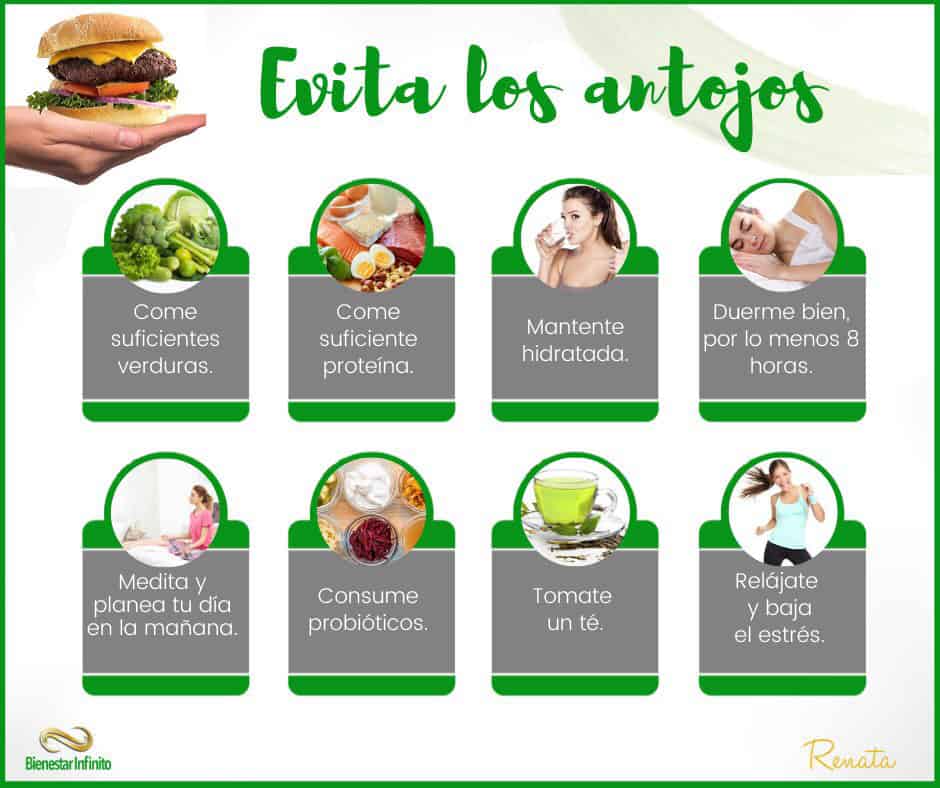
Primero fue la limpieza de jugos, luego la dieta keto, después el Whole30. Ahora llega una nueva tendencia: la dieta social, donde se consume contenido — y poco más. Según investigadores, este enfoque inusual podría ayudar realmente a reducir los antojos.

abril 16, 2026 0 comments
0 FacebookTwitterPinterestLinkedinEmail
Salud

Inositol: el suplemento para eliminar los antojos

by Editora de Salud abril 16, 2026
written by Editora de Salud

La verdad sobre el inositol: el suplemento de 30 peniques que podría acabar con los antojos

El inositol, un suplemento con un coste de 30 peniques, ha generado interés por su capacidad para ayudar a eliminar los antojos.

En relación con el uso de este suplemento, se ha reportado el caso de una persona que logró perder seis stone en un periodo de seis meses tras comenzar a tomarlo.

abril 16, 2026 0 comments
0 FacebookTwitterPinterestLinkedinEmail
Newer Posts
Older Posts
  • Aviso Legal
  • Política de Cookies
  • Términos y Condiciones
  • Política de Privacidad
  • CONTACTO
  • Política de Correcciones
  • Equipo Editorial
  • Política Editorial
  • SOBRE NOTIULTI

© 2026 Notiulti. Todos los derechos reservados.
Para contacto, publicidad, derechos de autor o incidencias, escriba a: office@notiulti.com


Back To Top
Notiulti
  • Deportes
  • Entretenimiento
  • Mundo
  • Negocio
  • Noticias
  • Salud
  • Tecnología