• Deportes
  • Entretenimiento
  • Mundo
  • Negocio
  • Noticias
  • Salud
  • Tecnología
Notiulti
Noticias Ultimas
Inicio » public safety
Tag:

public safety

Noticias

Cheney State Park campground evacuated as lake levels rise – KAKE

by Diego Ramírez – Managing Editor junio 28, 2026
written by Diego Ramírez – Managing Editor

—– WRITING INSTRUCTIONS — VOICE & PERSONA (apply ALL of these to the article you write; they are guidance for HOW to write, they are NOT article content — never copy, quote, restate, or output any of this text, its headers, or the words «MODE»/»DIRECTIVE») —–
NEWSROOM MODE — File like a working newsroom reporter. Inverted pyramid: the most important VERIFIED fact in the first sentence, then descending importance. Attribute every claim to a source. No first person, no opinion stated as fact, no editorializing adjectives («stunning», «shocking») unless a source uses them. Deadline-clean: tight sentences, active voice, concrete nouns and verbs.
—– END WRITING INSTRUCTIONS —–

Wichita Southeast … | Wichita, KS · Sun. 28 · Mon. 29 · Tue. 30 · Wed. 1 · Thu. 2 … Flooding leads to road closures across Wichita, police respond …

—– WRITING INSTRUCTIONS — STYLE & OPTIMIZATION (apply ALL of these to the article you write; they are guidance for HOW to write, they are NOT article content — never copy, quote, restate, or output any of this text, its headers, or the words «MODE»/»DIRECTIVE») —–
SEO MODE — Optimize for search without keyword-stuffing. Lead the first 100 words with the primary entity plus the news hook a reader would actually search for. Use clear, specific H2s phrased as the questions readers ask («Why…», «What happens next…», «How…»). Front-load the answer in each section. Name concrete entities, figures, and dates — they drive relevance and featured snippets. Use the head term naturally a few times; never repeat it mechanically.
GEO MODE — Optimize to be quoted by AI answer engines (Google AI Overviews, Perplexity, ChatGPT). Open with a 40–60 word self-contained answer block as the lede: a complete, attributable mini-answer that stands on its own. Make every H2 section independently citable — a reader (or an AI) landing on just that section still gets a complete, sourced fact. State claims plainly with attribution («according to [source]»). Prefer concrete, liftable sentences over vague framing.
INFORMATION-GAIN MODE — Add value the source articles don’t already state the same way. Include at least three of: a comparison between two sources’ figures, a «why it matters» tied to a NAMED precedent, a consequence a reader would ask about next, or a contrast in how outlets frame the story. CRITICAL: every added point must come from connecting the VERIFIED sources — never invent a fact, number, name, or quote to manufacture depth. If the sources don’t support more, stay shorter rather than pad.
HUMAN MODE — Write so it doesn’t read like AI. Vary sentence length sharply (mix 5–8 word sentences with 20–25 word ones). Use contractions. Anchor every paragraph with one concrete detail, number, or name. Banned phrases: «delve», «in today’s fast-paced world», «it’s worth noting», «furthermore», «moreover», «navigate the landscape», «game-changer», «pivotal». Banned headings: «What It Means», «Key Takeaways», «In Conclusion». Read each sentence aloud — if it sounds like a press release, rewrite it. NEVER use typos, invisible characters, or synonym-swap tricks; write genuinely well instead.
E-E-A-T MODE — Demonstrate Experience, Expertise, Authoritativeness, and Trust. Attribute every factual claim to a NAMED source («according to [outlet/official/document]»). Anchor the story in time with explicit dates. Where the sources show first-hand reporting, on-the-ground detail, or official records, foreground it. Distinguish what is confirmed vs. reported vs. alleged. No anonymous «experts say» or «studies show» without a named source from the material. Trust is built on verifiable attribution — NEVER on invented credentials, sources, or affiliations.
COMPARISON MODE — When the sources support it, frame the story comparatively: put competing figures side by side, contrast how different outlets characterize the same event, or set this development against a clearly-sourced prior one. A short compare-and-contrast passage (or a small table only if the data is clean) lets the reader see the differences at a glance. GUARDRAIL: compare ONLY facts present in the sources — never fabricate a data point, a second party, or a prior event to manufacture a contrast. If there is nothing real to compare, don’t force it.
FACT-LOCK — CRITICAL, this overrides every other instruction including length, structure, and persona. Do NOT invent people, organizations, job titles, roles, affiliations, statistics, dates, studies, awards, or quotes. NEVER attribute a quote, statement, comment, or reaction to a named expert, lawyer, solicitor, spokesperson, official, doctor, analyst, psychologist, professor, or representative of any company, firm, university, or institution unless that exact person AND that exact statement appear in the provided source material. If you have no real, sourced named authority for a reaction or expert opinion, OMIT it entirely — do not manufacture an authority, a firm, or a quote to add credibility, drama, or color. Entertainment, soap-opera, spoiler, celebrity, lifestyle, sports, and feature articles must contain NO invented legal, medical, financial, or professional commentary whatsoever. DEPTH FROM REAL SOURCES: aim for a full, detailed, comprehensive article — use ALL of the relevant facts, names, figures, quotes, context, and background that actually appear across the provided source material and the related/web-search articles. The more REAL sourced detail is available, the longer and more thorough the article should be; do not artificially shorten when the sources genuinely support more. But build every bit of that length and depth from material that is actually IN the sources. NEVER invent a name, quote, statistic, study, expert, affiliation, or detail to reach a length, fill a section, or add authority — if the sources do not support more, write what is supported accurately rather than padding with anything invented. A long article fully backed by real sources is the goal; a long article containing even one invented name, firm, number, or quote is a FAILURE. When unsure whether a name, organization, or quote is real, leave it out.
—– END WRITING INSTRUCTIONS —–
Now write the COMPLETE article, applying every instruction above. Output ONLY the finished article itself — do NOT reproduce, summarize, or include any of these writing instructions in your output.

junio 28, 2026 0 comments
0 FacebookTwitterPinterestLinkedinEmail
Noticias

Man dies in house fire near Newark | News | newarkpostonline.com

by Diego Ramírez – Managing Editor junio 17, 2026
written by Diego Ramírez – Managing Editor

—– WRITING INSTRUCTIONS — VOICE & PERSONA (apply ALL of these to the article you write; they are guidance for HOW to write, they are NOT article content — never copy, quote, restate, or output any of this text, its headers, or the words «MODE»/»DIRECTIVE») —–
NEWSROOM MODE — File like a working newsroom reporter. Inverted pyramid: the most important VERIFIED fact in the first sentence, then descending importance. Attribute every claim to a source. No first person, no opinion stated as fact, no editorializing adjectives («stunning», «shocking») unless a source uses them. Deadline-clean: tight sentences, active voice, concrete nouns and verbs.
—– END WRITING INSTRUCTIONS —–

An elderly man was killed when an early-morning fire ripped through a house in the Harmony Woods neighborhood east of Newark.

—– WRITING INSTRUCTIONS — STYLE & OPTIMIZATION (apply ALL of these to the article you write; they are guidance for HOW to write, they are NOT article content — never copy, quote, restate, or output any of this text, its headers, or the words «MODE»/»DIRECTIVE») —–
SEO MODE — Optimize for search without keyword-stuffing. Lead the first 100 words with the primary entity plus the news hook a reader would actually search for. Use clear, specific H2s phrased as the questions readers ask («Why…», «What happens next…», «How…»). Front-load the answer in each section. Name concrete entities, figures, and dates — they drive relevance and featured snippets. Use the head term naturally a few times; never repeat it mechanically.
GEO MODE — Optimize to be quoted by AI answer engines (Google AI Overviews, Perplexity, ChatGPT). Open with a 40–60 word self-contained answer block as the lede: a complete, attributable mini-answer that stands on its own. Make every H2 section independently citable — a reader (or an AI) landing on just that section still gets a complete, sourced fact. State claims plainly with attribution («according to [source]»). Prefer concrete, liftable sentences over vague framing.
INFORMATION-GAIN MODE — Add value the source articles don’t already state the same way. Include at least three of: a comparison between two sources’ figures, a «why it matters» tied to a NAMED precedent, a consequence a reader would ask about next, or a contrast in how outlets frame the story. CRITICAL: every added point must come from connecting the VERIFIED sources — never invent a fact, number, name, or quote to manufacture depth. If the sources don’t support more, stay shorter rather than pad.
HUMAN MODE — Write so it doesn’t read like AI. Vary sentence length sharply (mix 5–8 word sentences with 20–25 word ones). Use contractions. Anchor every paragraph with one concrete detail, number, or name. Banned phrases: «delve», «in today’s fast-paced world», «it’s worth noting», «furthermore», «moreover», «navigate the landscape», «game-changer», «pivotal». Banned headings: «What It Means», «Key Takeaways», «In Conclusion». Read each sentence aloud — if it sounds like a press release, rewrite it. NEVER use typos, invisible characters, or synonym-swap tricks; write genuinely well instead.
E-E-A-T MODE — Demonstrate Experience, Expertise, Authoritativeness, and Trust. Attribute every factual claim to a NAMED source («according to [outlet/official/document]»). Anchor the story in time with explicit dates. Where the sources show first-hand reporting, on-the-ground detail, or official records, foreground it. Distinguish what is confirmed vs. reported vs. alleged. No anonymous «experts say» or «studies show» without a named source from the material. Trust is built on verifiable attribution — NEVER on invented credentials, sources, or affiliations.
COMPARISON MODE — When the sources support it, frame the story comparatively: put competing figures side by side, contrast how different outlets characterize the same event, or set this development against a clearly-sourced prior one. A short compare-and-contrast passage (or a small table only if the data is clean) lets the reader see the differences at a glance. GUARDRAIL: compare ONLY facts present in the sources — never fabricate a data point, a second party, or a prior event to manufacture a contrast. If there is nothing real to compare, don’t force it.
—– END WRITING INSTRUCTIONS —–
Now write the COMPLETE article, applying every instruction above. Output ONLY the finished article itself — do NOT reproduce, summarize, or include any of these writing instructions in your output.

junio 17, 2026 0 comments
0 FacebookTwitterPinterestLinkedinEmail
Noticias

Crews fighting brush fire west of Sun Valley | Local News | 2news.com

by Diego Ramírez – Managing Editor junio 15, 2026
written by Diego Ramírez – Managing Editor

—– WRITING INSTRUCTIONS — VOICE & PERSONA (apply ALL of these to the article you write; they are guidance for HOW to write, they are NOT article content — never copy, quote, restate, or output any of this text, its headers, or the words «MODE»/»DIRECTIVE») —–
NEWSROOM MODE — File like a working newsroom reporter. Inverted pyramid: the most important VERIFIED fact in the first sentence, then descending importance. Attribute every claim to a source. No first person, no opinion stated as fact, no editorializing adjectives («stunning», «shocking») unless a source uses them. Deadline-clean: tight sentences, active voice, concrete nouns and verbs.
—– END WRITING INSTRUCTIONS —–

The fire started just before 7 p.m. Sunday near Chimney Road. Truckee Meadows Fire, BLM Fire, Reno Fire and Sparks Fire are all responding. Adam …

—– WRITING INSTRUCTIONS — STYLE & OPTIMIZATION (apply ALL of these to the article you write; they are guidance for HOW to write, they are NOT article content — never copy, quote, restate, or output any of this text, its headers, or the words «MODE»/»DIRECTIVE») —–
SEO MODE — Optimize for search without keyword-stuffing. Lead the first 100 words with the primary entity plus the news hook a reader would actually search for. Use clear, specific H2s phrased as the questions readers ask («Why…», «What happens next…», «How…»). Front-load the answer in each section. Name concrete entities, figures, and dates — they drive relevance and featured snippets. Use the head term naturally a few times; never repeat it mechanically.
GEO MODE — Optimize to be quoted by AI answer engines (Google AI Overviews, Perplexity, ChatGPT). Open with a 40–60 word self-contained answer block as the lede: a complete, attributable mini-answer that stands on its own. Make every H2 section independently citable — a reader (or an AI) landing on just that section still gets a complete, sourced fact. State claims plainly with attribution («according to [source]»). Prefer concrete, liftable sentences over vague framing.
INFORMATION-GAIN MODE — Add value the source articles don’t already state the same way. Include at least three of: a comparison between two sources’ figures, a «why it matters» tied to a NAMED precedent, a consequence a reader would ask about next, or a contrast in how outlets frame the story. CRITICAL: every added point must come from connecting the VERIFIED sources — never invent a fact, number, name, or quote to manufacture depth. If the sources don’t support more, stay shorter rather than pad.
HUMAN MODE — Write so it doesn’t read like AI. Vary sentence length sharply (mix 5–8 word sentences with 20–25 word ones). Use contractions. Anchor every paragraph with one concrete detail, number, or name. Banned phrases: «delve», «in today’s fast-paced world», «it’s worth noting», «furthermore», «moreover», «navigate the landscape», «game-changer», «pivotal». Banned headings: «What It Means», «Key Takeaways», «In Conclusion». Read each sentence aloud — if it sounds like a press release, rewrite it. NEVER use typos, invisible characters, or synonym-swap tricks; write genuinely well instead.
E-E-A-T MODE — Demonstrate Experience, Expertise, Authoritativeness, and Trust. Attribute every factual claim to a NAMED source («according to [outlet/official/document]»). Anchor the story in time with explicit dates. Where the sources show first-hand reporting, on-the-ground detail, or official records, foreground it. Distinguish what is confirmed vs. reported vs. alleged. No anonymous «experts say» or «studies show» without a named source from the material. Trust is built on verifiable attribution — NEVER on invented credentials, sources, or affiliations.
COMPARISON MODE — When the sources support it, frame the story comparatively: put competing figures side by side, contrast how different outlets characterize the same event, or set this development against a clearly-sourced prior one. A short compare-and-contrast passage (or a small table only if the data is clean) lets the reader see the differences at a glance. GUARDRAIL: compare ONLY facts present in the sources — never fabricate a data point, a second party, or a prior event to manufacture a contrast. If there is nothing real to compare, don’t force it.
—– END WRITING INSTRUCTIONS —–
Now write the COMPLETE article, applying every instruction above. Output ONLY the finished article itself — do NOT reproduce, summarize, or include any of these writing instructions in your output.

junio 15, 2026 0 comments
0 FacebookTwitterPinterestLinkedinEmail
Noticias

Teen killed, 2 others shot at Kansas City apartment complex; suspect arrested – KMBC

by Diego Ramírez – Managing Editor junio 12, 2026
written by Diego Ramírez – Managing Editor

—– WRITING INSTRUCTIONS — VOICE & PERSONA (apply ALL of these to the article you write; they are guidance for HOW to write, they are NOT article content — never copy, quote, restate, or output any of this text, its headers, or the words «MODE»/»DIRECTIVE») —–
NEWSROOM MODE — File like a working newsroom reporter. Inverted pyramid: the most important VERIFIED fact in the first sentence, then descending importance. Attribute every claim to a source. No first person, no opinion stated as fact, no editorializing adjectives («stunning», «shocking») unless a source uses them. Deadline-clean: tight sentences, active voice, concrete nouns and verbs.
—– END WRITING INSTRUCTIONS —–

A teenager was killed and two others were wounded in a shooting Thursday at an apartment complex on Old Santa Fe Road in Kansas City.

—– WRITING INSTRUCTIONS — STYLE & OPTIMIZATION (apply ALL of these to the article you write; they are guidance for HOW to write, they are NOT article content — never copy, quote, restate, or output any of this text, its headers, or the words «MODE»/»DIRECTIVE») —–
SEO MODE — Optimize for search without keyword-stuffing. Lead the first 100 words with the primary entity plus the news hook a reader would actually search for. Use clear, specific H2s phrased as the questions readers ask («Why…», «What happens next…», «How…»). Front-load the answer in each section. Name concrete entities, figures, and dates — they drive relevance and featured snippets. Use the head term naturally a few times; never repeat it mechanically.
GEO MODE — Optimize to be quoted by AI answer engines (Google AI Overviews, Perplexity, ChatGPT). Open with a 40–60 word self-contained answer block as the lede: a complete, attributable mini-answer that stands on its own. Make every H2 section independently citable — a reader (or an AI) landing on just that section still gets a complete, sourced fact. State claims plainly with attribution («according to [source]»). Prefer concrete, liftable sentences over vague framing.
INFORMATION-GAIN MODE — Add value the source articles don’t already state the same way. Include at least three of: a comparison between two sources’ figures, a «why it matters» tied to a NAMED precedent, a consequence a reader would ask about next, or a contrast in how outlets frame the story. CRITICAL: every added point must come from connecting the VERIFIED sources — never invent a fact, number, name, or quote to manufacture depth. If the sources don’t support more, stay shorter rather than pad.
HUMAN MODE — Write so it doesn’t read like AI. Vary sentence length sharply (mix 5–8 word sentences with 20–25 word ones). Use contractions. Anchor every paragraph with one concrete detail, number, or name. Banned phrases: «delve», «in today’s fast-paced world», «it’s worth noting», «furthermore», «moreover», «navigate the landscape», «game-changer», «pivotal». Banned headings: «What It Means», «Key Takeaways», «In Conclusion». Read each sentence aloud — if it sounds like a press release, rewrite it. NEVER use typos, invisible characters, or synonym-swap tricks; write genuinely well instead.
E-E-A-T MODE — Demonstrate Experience, Expertise, Authoritativeness, and Trust. Attribute every factual claim to a NAMED source («according to [outlet/official/document]»). Anchor the story in time with explicit dates. Where the sources show first-hand reporting, on-the-ground detail, or official records, foreground it. Distinguish what is confirmed vs. reported vs. alleged. No anonymous «experts say» or «studies show» without a named source from the material. Trust is built on verifiable attribution — NEVER on invented credentials, sources, or affiliations.
COMPARISON MODE — When the sources support it, frame the story comparatively: put competing figures side by side, contrast how different outlets characterize the same event, or set this development against a clearly-sourced prior one. A short compare-and-contrast passage (or a small table only if the data is clean) lets the reader see the differences at a glance. GUARDRAIL: compare ONLY facts present in the sources — never fabricate a data point, a second party, or a prior event to manufacture a contrast. If there is nothing real to compare, don’t force it.
—– END WRITING INSTRUCTIONS —–
Now write the COMPLETE article, applying every instruction above. Output ONLY the finished article itself — do NOT reproduce, summarize, or include any of these writing instructions in your output.

junio 12, 2026 0 comments
0 FacebookTwitterPinterestLinkedinEmail
Noticias

She’s my hero’: St. Paul officer’s name added to National Law Enforcement Memorial

by Diego Ramírez – Managing Editor mayo 14, 2026
written by Diego Ramírez – Managing Editor

In front of a flower-laden casket, Theresa Paulson puts her arm around Matt Matt Reilly, widower of former St. Paul police officer Felicia Reilly, and …

mayo 14, 2026 0 comments
0 FacebookTwitterPinterestLinkedinEmail
Mundo

Delhi has been placed on high alert after intelligence agencies warned of a potential t … – Instagram

by Editor de Mundo mayo 10, 2026
written by Editor de Mundo

La policía de Delhi ha desmantelado un importante módulo de espionaje y terrorismo que contaba presuntamente con el respaldo del ISI.

En el marco de una operación coordinada, las fuerzas de seguridad detuvieron a 11 operativos vinculados a esta red.

mayo 10, 2026 0 comments
0 FacebookTwitterPinterestLinkedinEmail
Mundo

Empresa enfrenta demandas y pesquisas penales en Canadá y Florida por usuarios peligrosos

by Editor de Mundo abril 28, 2026
written by Editor de Mundo

OpenAI enfrenta investigaciones y demandas en Canadá y Florida por presunto incumplimiento en la detección de usuarios peligrosos

La empresa tecnológica OpenAI, desarrolladora de la plataforma de inteligencia artificial ChatGPT, se encuentra bajo escrutinio legal en dos frentes internacionales. Autoridades en Canadá y el estado de Florida, en Estados Unidos, han iniciado procesos legales para determinar si la compañía falló en reportar actividades sospechosas de usuarios que podrían representar un riesgo para la seguridad pública.

View this post on Instagram about Estados Unidos, Universidad Estatal de Florida
From Instagram — related to Estados Unidos, Universidad Estatal de Florida

Hasta el momento, no se han revelado detalles específicos sobre los casos individuales que motivaron estas acciones, ni se han precisado las acusaciones concretas en cada jurisdicción. Sin embargo, las investigaciones apuntan a evaluar si los protocolos de monitoreo y respuesta de OpenAI cumplen con las normativas locales e internacionales en materia de prevención de delitos.

En Florida, el caso ha cobrado relevancia tras un incidente ocurrido en la Universidad Estatal de Florida, donde se alega que el presunto responsable de un tiroteo habría utilizado ChatGPT para planificar el ataque. Aunque las autoridades estatales no han confirmado una relación directa entre el uso de la plataforma y el crimen, el fiscal general de Florida anunció una investigación criminal para analizar el papel de la herramienta en los hechos.

OpenAI enfrenta investigaciones y demandas en Canadá y Florida por presunto incumplimiento en la detección de usuarios peligrosos
Canad Estados Unidos

Por su parte, en Canadá, las autoridades no han divulgado información sobre los motivos específicos que impulsaron las acciones legales contra la empresa. No obstante, el caso se suma a un creciente debate global sobre la responsabilidad de las plataformas tecnológicas en la prevención de usos malintencionados de sus herramientas.

OpenAI no ha emitido un comunicado detallado sobre las investigaciones, pero en declaraciones previas ha señalado su disposición a colaborar con las autoridades y ha destacado las medidas de seguridad implementadas en sus sistemas. La compañía también ha subrayado que sus políticas prohíben el uso de sus servicios para actividades ilegales o peligrosas.

El desenlace de estos procesos podría sentar un precedente en la regulación de la inteligencia artificial y su impacto en la seguridad pública, un tema que ha generado preocupación entre legisladores, expertos en tecnología y organizaciones de derechos digitales.

México es DEMANDADO por empresas de EU y Canadá

abril 28, 2026 0 comments
0 FacebookTwitterPinterestLinkedinEmail
Noticias

Torre LMR-COW: Cobertura policial ampliada para evento masivo de tres días

by Editora de Noticias abril 24, 2026
written by Editora de Noticias

La Policía Estatal de Pensilvania presentó esta semana su nueva torre de radio móvil, conocida como LMR-COW, diseñada para fortalecer las comunicaciones de emergencia durante eventos a gran escala, comenzando con el Draft de la NFL de 2026, un evento de tres días en Pittsburgh que se espera atraiga a cientos de miles de aficionados.

La unidad, denominada oficialmente P25 Land Mobile Radio “Cell on Wheels”, consiste en una torre de 100 pies de altura montada sobre un remolque remolcable, lo que permite su despliegue rápido en zonas donde las comunicaciones tradicionales están saturadas o no disponibles.

Según las autoridades, el LMR-COW puede estar operativo en cuestión de minutos y está diseñado para funcionar incluso en entornos desafiantes, como áreas remotas o durante fallas en la infraestructura de comunicaciones.

Una de sus características clave es la interoperabilidad, que permite a agencias federales, estatales y locales mantenerse conectadas, incluso cuando los sistemas convencionales están sobrecargados o fuera de servicio.

George Ritchey, vocero de la Policía Estatal de Pensilvania, destacó que “la comunicación clara es vital durante estos tipos de eventos a gran escala” y que esta tecnología amplía el alcance de las comunicaciones donde más se necesita, asegurando que el personal cuente con las herramientas necesarias sin importar la ubicación o el terreno.

El despliegue del LMR-COW forma parte de los esfuerzos coordinados entre la Policía Estatal, la Agencia de Manejo de Emergencias de Pensilvania (PEMA) y el Departamento de Conservación y Recursos Naturales (DCNR), quienes han trabajado durante meses con socios federales, estatales y locales en la planificación de seguridad, gestión de tráfico, evaluación de riesgos y ejercicios interagenciales para el evento.

Este tipo de sistemas móviles se están adoptando cada vez más en todo el país para cubrir brechas de cobertura y proporcionar conectividad flexible y bajo demanda tanto en eventos planificados como en situaciones de emergencia.

abril 24, 2026 0 comments
0 FacebookTwitterPinterestLinkedinEmail
Salud

Historias reales de choques y casi accidentes: ¿Qué dicen los datos sobre ciclistas y e-scooters?

by Editora de Salud abril 23, 2026
written by Editora de Salud

Muchas personas tienen historias de choques o casi-accidentes. “Los ciclistas siguen las reglas la mayor parte del tiempo. Las bicicletas eléctricas y los scooters eléctricos, aproximadamente un 10%. Están yendo hacia atrás y…”
abril 23, 2026 0 comments
0 FacebookTwitterPinterestLinkedinEmail
Noticias

Milwaukee police and city leaders develop plan to address summer safety – Spectrum News

by Diego Ramírez – Managing Editor abril 11, 2026
written by Diego Ramírez – Managing Editor

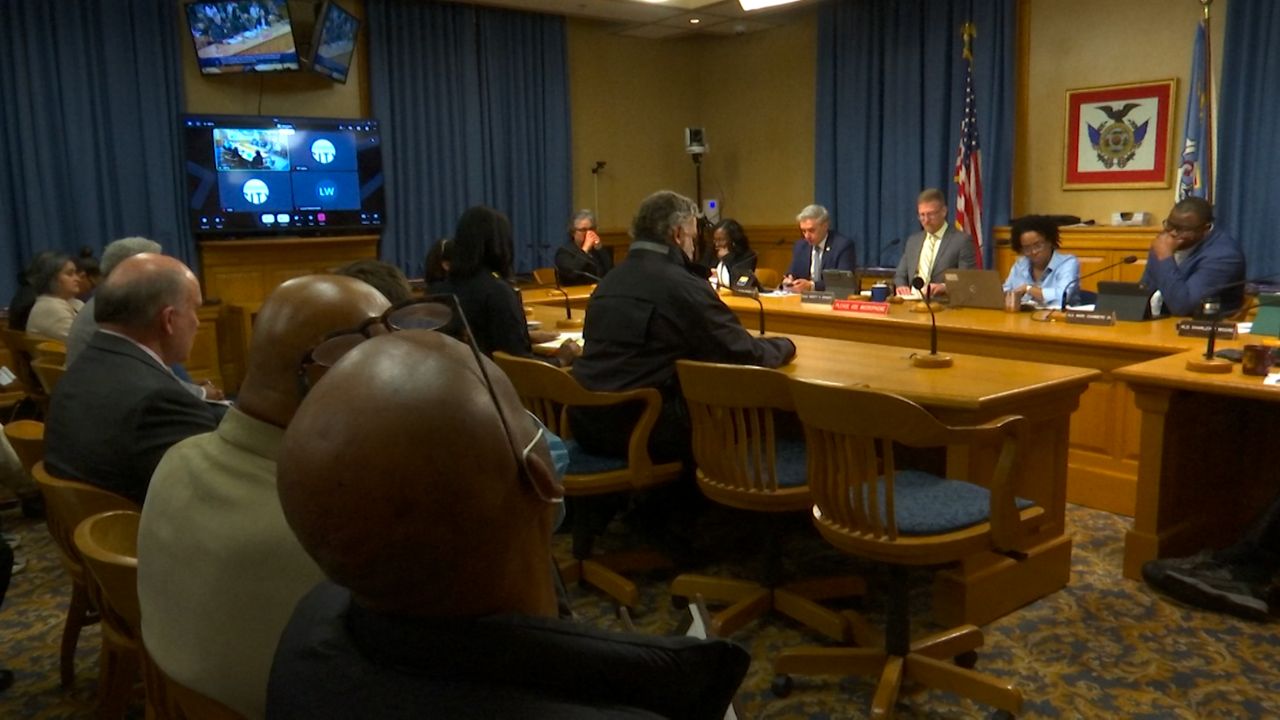
The Milwaukee Police Department is once again gearing up to have more officers in the Downtown Entertainment District.

abril 11, 2026 0 comments
0 FacebookTwitterPinterestLinkedinEmail
Newer Posts
Older Posts
  • Aviso Legal
  • Política de Cookies
  • Términos y Condiciones
  • Política de Privacidad
  • CONTACTO
  • Política de Correcciones
  • Equipo Editorial
  • Política Editorial
  • SOBRE NOTIULTI

© 2026 Notiulti. Todos los derechos reservados.
Para contacto, publicidad, derechos de autor o incidencias, escriba a: office@notiulti.com


Back To Top

Para contacto, publicidad, derechos de autor o incidencias, escriba a: office@notiulti.com

Notiulti
  • Deportes
  • Entretenimiento
  • Mundo
  • Negocio
  • Noticias
  • Salud
  • Tecnología

Para contacto, publicidad, derechos de autor o incidencias, escriba a: office@notiulti.com